

Reduce Coding Variability, Denials, and Audit Risk — Without Rebuilding Your System

Identify where inconsistent coding and CAC decision-making are driving revenue leakage, compliance risk, and rework — and fix it with a structured assessment.

What this is

A structured 6-week assessment that reveals where coding decisions break down — and how those breakdowns impact denials, compliance, and operational efficiency.

picture1

Innovative Audit

We don’t audit outcomes — we analyze the decisions that create them. Because outcomes are symptoms — decisions are the system.
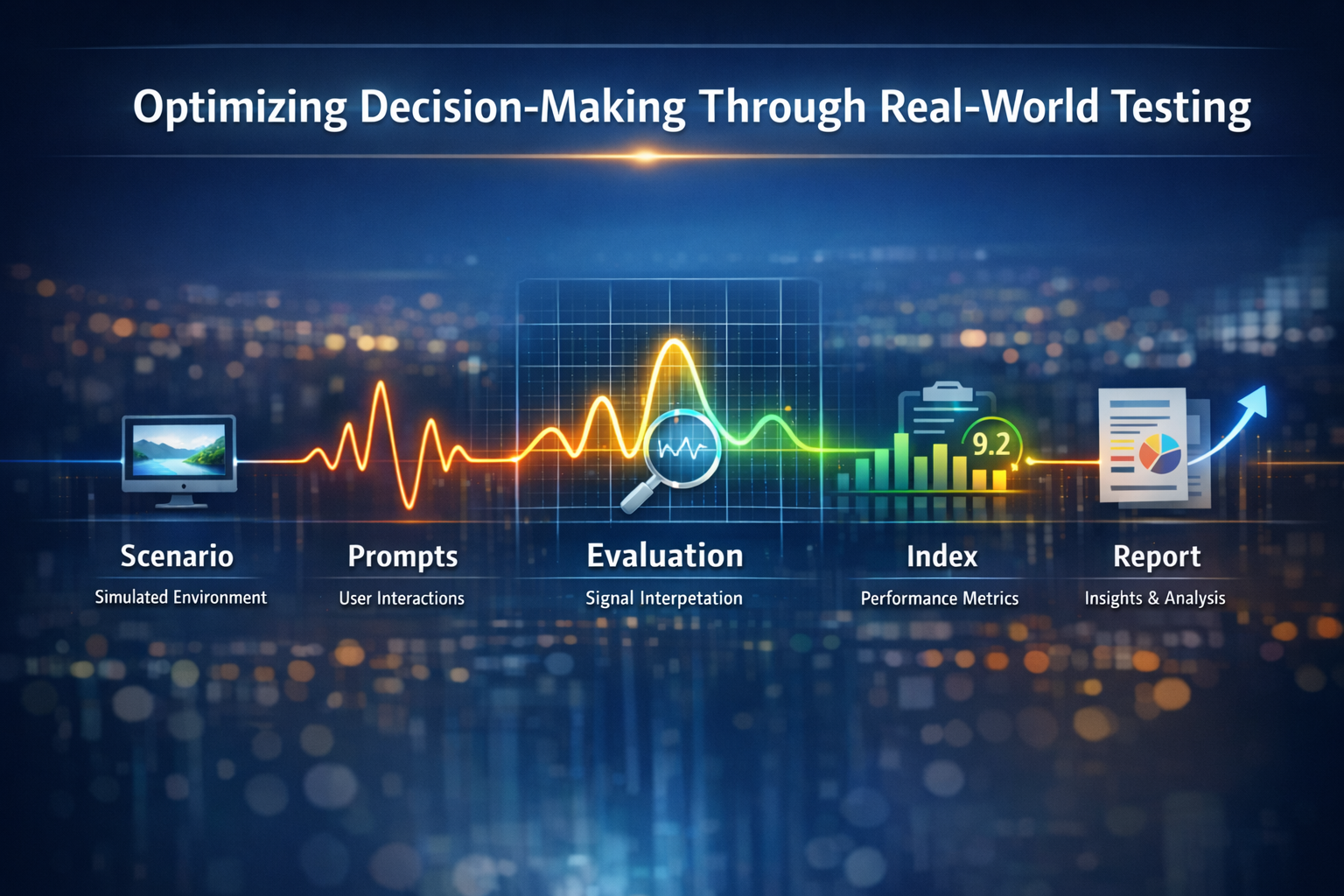
How it works

How the 6-week assessment works:

1. Identify where risk originates
Pinpoint where revenue and compliance risk actually originate

2. Observe how decisions actually vary
Surface how coders interpret the same information differently

3. Quantify impact on denials + rework
Quantify where variability creates denials and inefficiency

4. Translate into executive action
Translate findings into clear business impact and action

notion lab infographic

Analysis and Executive Output

A guided observation of how your team makes decisions - with analysis + executive output

What we do

During the assessment, we:

  • Simulate real-world coding and CAC decision scenarios
  • Observe how coders interpret documentation and system suggestions
  • Identify where decisions diverge across your team
  • Detect patterns that lead to denials, rework, and compliance risk
picture1

Decision Differentiator

Most organizations measure coding accuracy. We measure decision consistency. This reveals issues your dashboards, KPIs, and audits don’t capture.
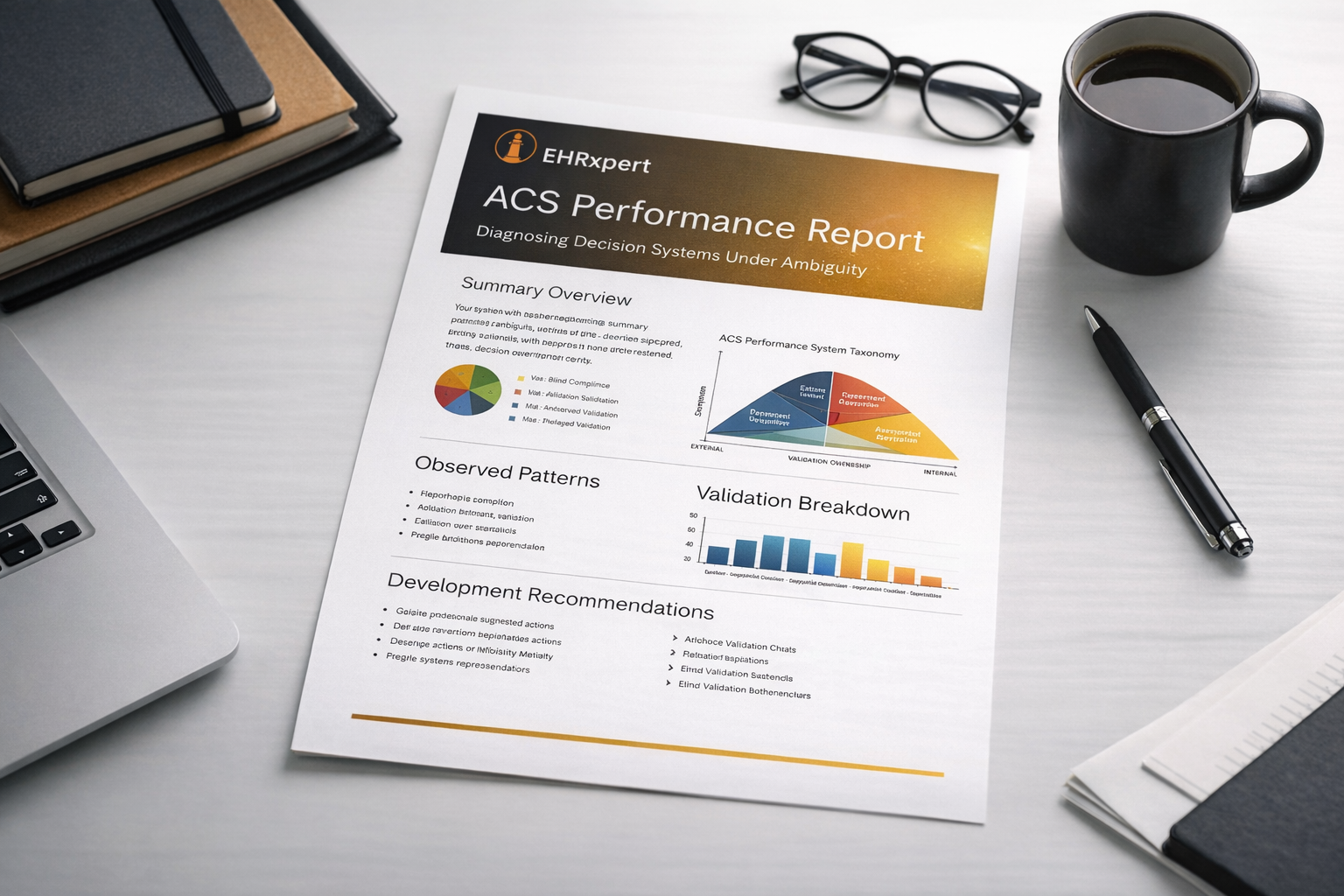
What you get

Delivered as an executive-ready performance report with clear financial and compliance implications.

Executive Deliverables

  • Executive summary of key risk areas and findings
  • Identified patterns of coding inconsistency and decision variability
  • Clear linkage to revenue cycle impact (denials, delays, rework)
  • Prioritized roadmap to improve coding consistency and audit readiness

Example insights you receive:

  • Where coders interpret the same documentation differently
  • Where CAC suggestions are over-trusted or ignored
  • Where inconsistency creates denial risk
  • Where decision gaps impact audit defensibility
ehrxpert infographic performance report

Remove Noise

Built for executive decision-making — not operational noise. Designed to surface high-impact gaps within weeks — not months.

Expected Outcomes

  • Fewer coding inconsistencies across teams
  • Reduced claim denial risk
  • Improved audit readiness and defensibility
  • More consistent decision-making across coders and workflows
  • Faster onboarding and alignment of coding teams
picture1

Trust and Effectiveness

Increased trust and effective use of CAC tools

Who this is for

Designed for health care organizations where coding decisions directly impact revenue and compliance:

  • Revenue cycle leaders responsible for denials and performance
  • Coding managers responsible for team consistency
  • Compliance officers focused on audit readiness and risk
  • Health system leaders overseeing operational performance
picture1

Revenue Cycle Teams, Coding Leadership

Best suited for mid-sized to large health systems. Ideal for organizations experiencing rising denials, audit pressure, or inconsistent coding outcomes

Built from Real-World Healthcare Decision Environments

  • Derived from real coding + CAC workflows
  • Observed across multiple operational contexts
  • Designed for revenue cycle + compliance leaders
picture1

Research & Experience Backed Approach

The ACS Framework is grounded in applied observation from healthcare operations, software engineering, and executive-level domains.

What this looks like in practice

Example

Observed Pattern:
Coders consistently interpreted the same documentation differently when CAC suggestions conflicted.

Impact:
Increased variability → higher denial risk and rework.

Insight:
Lack of standardized validation approach when CAC confidence is low.

Example

Observed Pattern:
Coders default to CAC suggestions without validating documentation context

Impact:
Hidden compliance risk despite high “accuracy” metrics

Insight:
Over-reliance on automation without structured validation

Example

Observed Pattern:
Coders escalate inconsistently when documentation ambiguity is high

Impact:
Delayed claims + increased rework volume

Insight:
No defined escalation threshold for ambiguous cases

picture1

Identify Gaps

Receive tangible outcomes that align with best practices

Most teams don’t see their decision system — until it fails. See yours before that happens.

We’ll walk through how the assessment works and identify if it applies to your environment.
Scroll to Top